

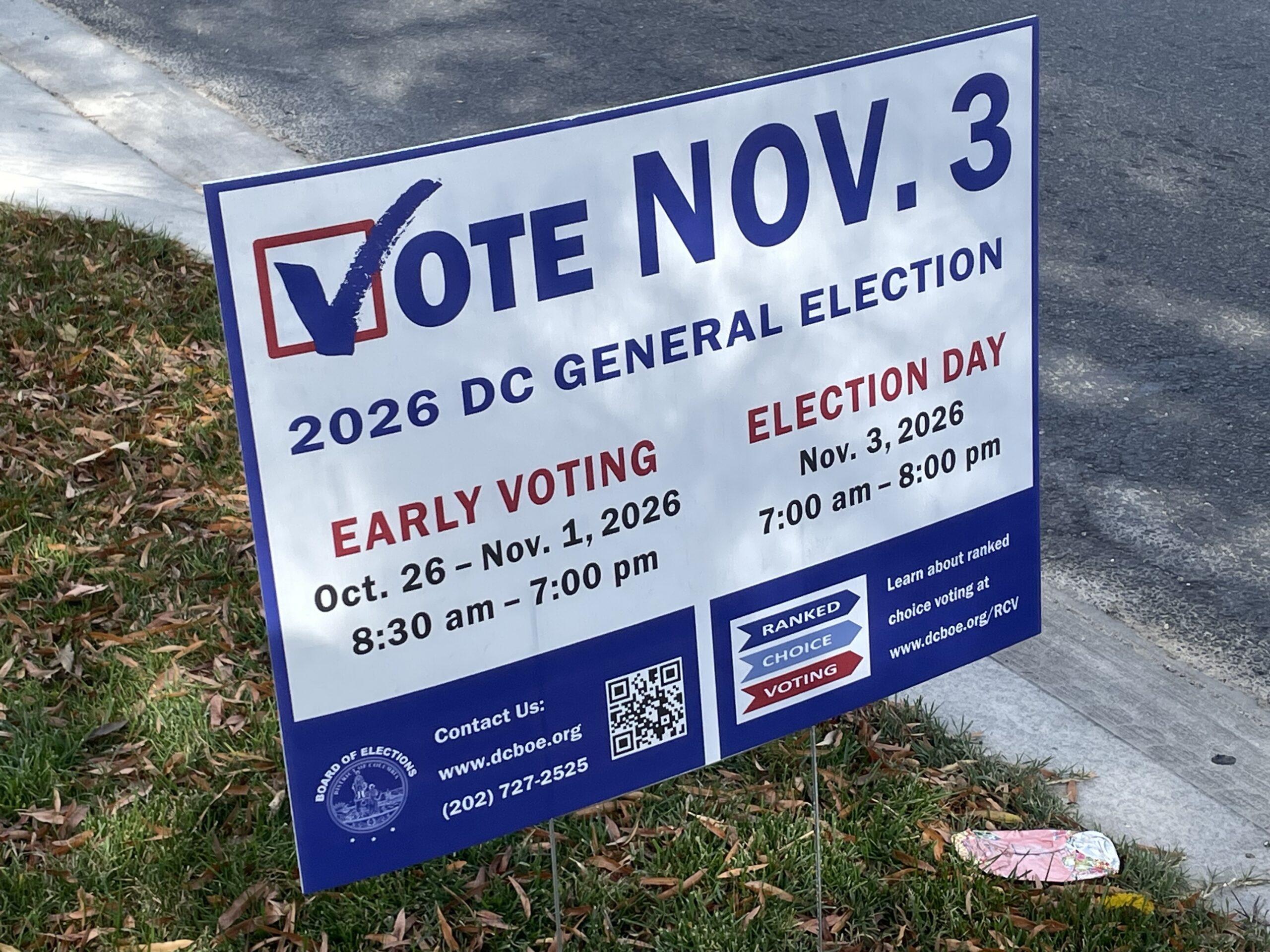
Much has been made about energizing voters of many stripes to participate in the 2026 Mid-Term elections. Talk of high stakes, consequences, and how this election is “the most important of our lifetime” is blasted to everyone’s phones, televisions, and computer screens. As important as this urgency is, there is a subset of eligible voters that should be talked about: The non-voter. More specifically, the non-voter who specifically disengages in all manners of politics, local or national. This branch of voters sees no point in participating in the political process. Whether by feelings of demoralization or apathy, these disaffected individuals perhaps represent an opportunity for political parties to capture their attention and eventually earn their votes.
According to the US Census Bureau, roughly 34.7% to 41.4% of eligible voters are non-voters during presidential election seasons. For midterm elections, that number increases to 50% to 60%. Lower turnout for off-year elections for Congress is to be expected, but these numbers illustrate that non-voters who are eligible are a firmly entrenched portion of the electorate. What’s stopping these people from voting? How can they become active voters? And how do we get that message across to them?
At the Democracy Summit hosted by the Center for Journalism & Democracy at Howard University in Washington DC, journalists from across the country, including HBCUs discussed the high-stakes mid-term elections, and freedom of the press. The center’s founder, and creator of the “1619 Project”, Nikole Hannah-Jones said, “As a journalist, we should really get to the bottom of why is there voter apathy? A lot of people who believe voting doesn’t change their lives have a good reason to think that. That folks are voting, and politicians are not responding to their needs, their material lives, interests don’t change.”
Amanda Huron, Ph.D., believes there are other considerations. “I would say that voting is the bare minimum of what we do as citizens, and as people engaged in civics in our society, be it the city, or the state, or the nation. Voting is a good first step, but then I think the key is to be engaged in the democratic processes wherever you live throughout the year, and not just in election time.” Huron is a UDC Associate Professor for Social and Behavorial Sciences, and teaches DC Politics course at the university.
Ultimately, the lack of civic engagement from this contingent of eligible voters is one to be addressed and understood better. According to Huron, “it’s good to ask people why they don’t vote, and why they feel their vote doesn’t matter, why they feel like it’s not worth it.”
Voter apathy is not just an issue that potentially acts as a roadblock to much needed policy, but is a weapon that opposition parties count on for their own political wins.
“As journalists, our role is to show why voting matters, what’s the history of voting, why have, particularly Black Americans, fought so hard for the right to vote? But also, hold politicians accountable, because if people feel voter apathy, that’s a political problem. That is the fault of politicians who aren’t delivering for their voters and people feel taken for granted,” said Hannah-Jones.