

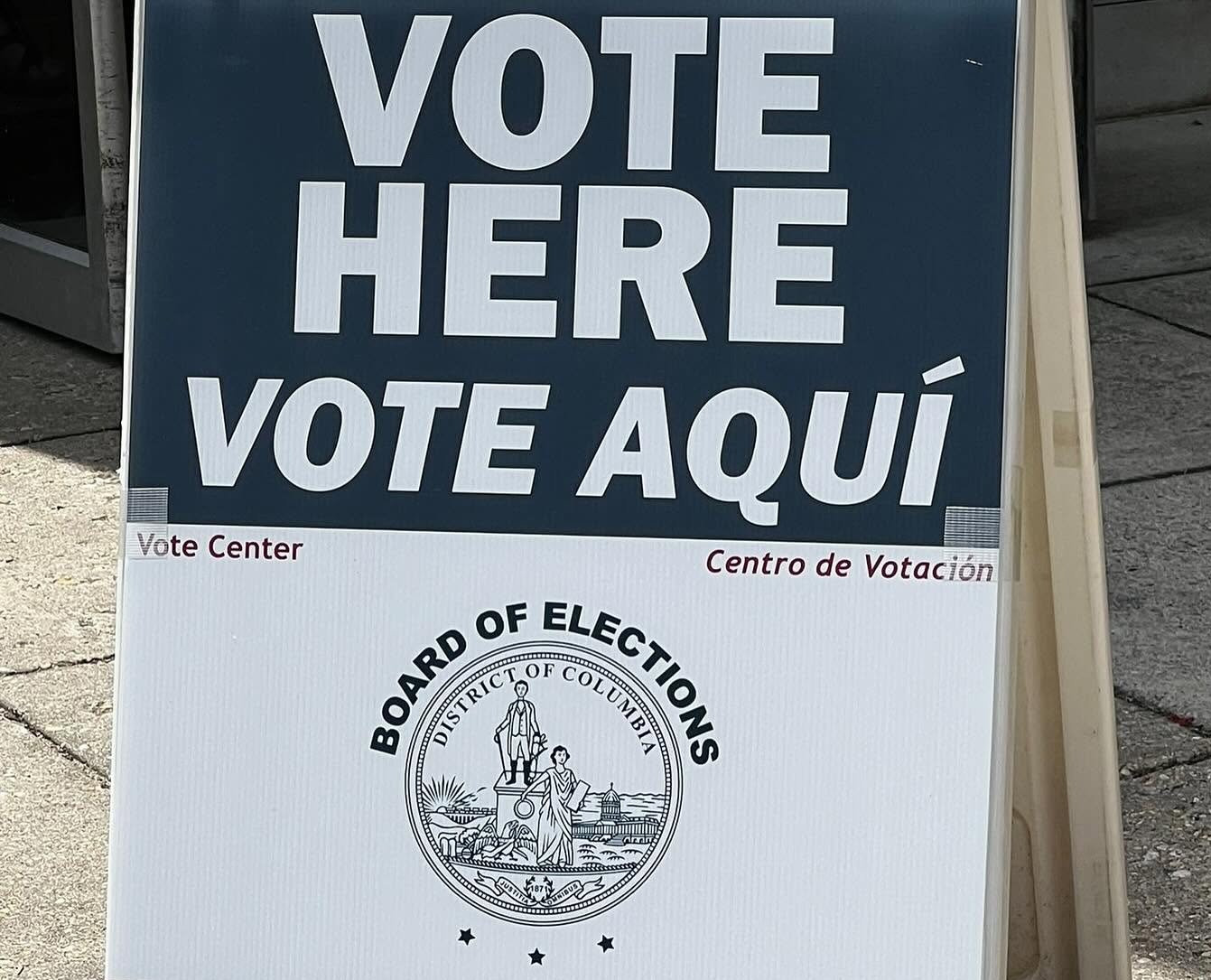
For college students, voting can mean navigating unfamiliar rules, deciding where to cast their vote, and figuring out which race and candidate affect their lives. These decisions raise a broader question as the November 3, Mid-Term elections are just a few weeks away. Why does student voting matter?
Abigail Thomson, a graduate student pursuing a master’s degree in foreign relations, believes individual votes can make a difference. In our interview, she recalled a 2021 Farmington, Michigan, City Council race in which the candidate she supported won by one vote: 972 to 971.
“One of the first elections I ever voted in and it ended up being decided by one vote, and the candidate I had supported actually won! It does matter. Basically, there were three seats on the city council, and one seat came down to one vote,” said Thomson.
College can make it easy for students to lose touch with the idea of voting. Students who move across state lines may need to take additional steps to determine where and how they can vote, and this requires planning beyond their usual routines. “College is great, but it’s sort of self-contained. For college students, it’s easy to get caught up in the inertia of, like, I didn’t vote when I was in high school, and now, I’m away at college, and not used to that stuff.” Thomson said.
The upcoming Mid-Terms include many state and local elections. Local governments make decisions about issues such as zoning and public services that can strongly impact the communities where students live.
“People tend to underestimate the power of local elections and people don’t appreciate the local election decisions[about] the library and zoning,” said Thomson. It’s easy to put these processes on a pedestal. Even in larger communities. People think they are throwaway things, but they’re not.”