
This March, as we celebrate Women’s History Month, we honor the trailblazers who shaped fashion and culture for generations to come. Designers like Coco Chanel, Vera Wang, and Miuccia Prada have left lasting marks on the industry, influencing generations of creatives.
Yet many Black women designers who shaped fashion and visual culture remain underrecognized. According to Essence magazine, only 7.3% of American fashion designers identify as Black. That statistic highlights a striking contrast in an industry built on diversity and cultural influence.
Black women designers, in particular, have shaped some of the most iconic images in American culture while often being overlooked, underestimated, or erased. This story highlights five black women whose work influenced design and redefined representation, proving that impact does not always come with recognition.
Ruth E. Carter
Costume Design & Cultural Storytelling

Ruth E. Carter has spent decades redefining what costume design can look like on the big screen. Carter is known for her work on Black Panther and was recently nominated for a fifth Oscar for her work on Sinners, breaking the record for most-nominated Black woman in Oscar history. Before her rise in Hollywood, Carter learned to sew using her mother’s sewing machine, developing the skills that would later define her career.
After moving to Los Angeles to pursue work at the city’s Theater Center, she eventually crossed paths with director Spike Lee to work on five of his films in 1988. That partnership opened new opportunities for Carter in an industry that has historically overlooked Black creatives.

In an NPR interview, Carter recalled Lee encouraging her and others to think beyond limitations: “He would often say we need to remember that we can be artists also behind the camera.” She later said his words inspired her to create opportunities for other artists of color. Carter transformed costume design into a powerful storytelling tool.
Her designs appear in films such as Black Panther, Sinners, Malcolm X, and Selma. Or visit the African American Museum in Philadelphia to see her costume design.
Ann Lowe
A Historical Seamstress
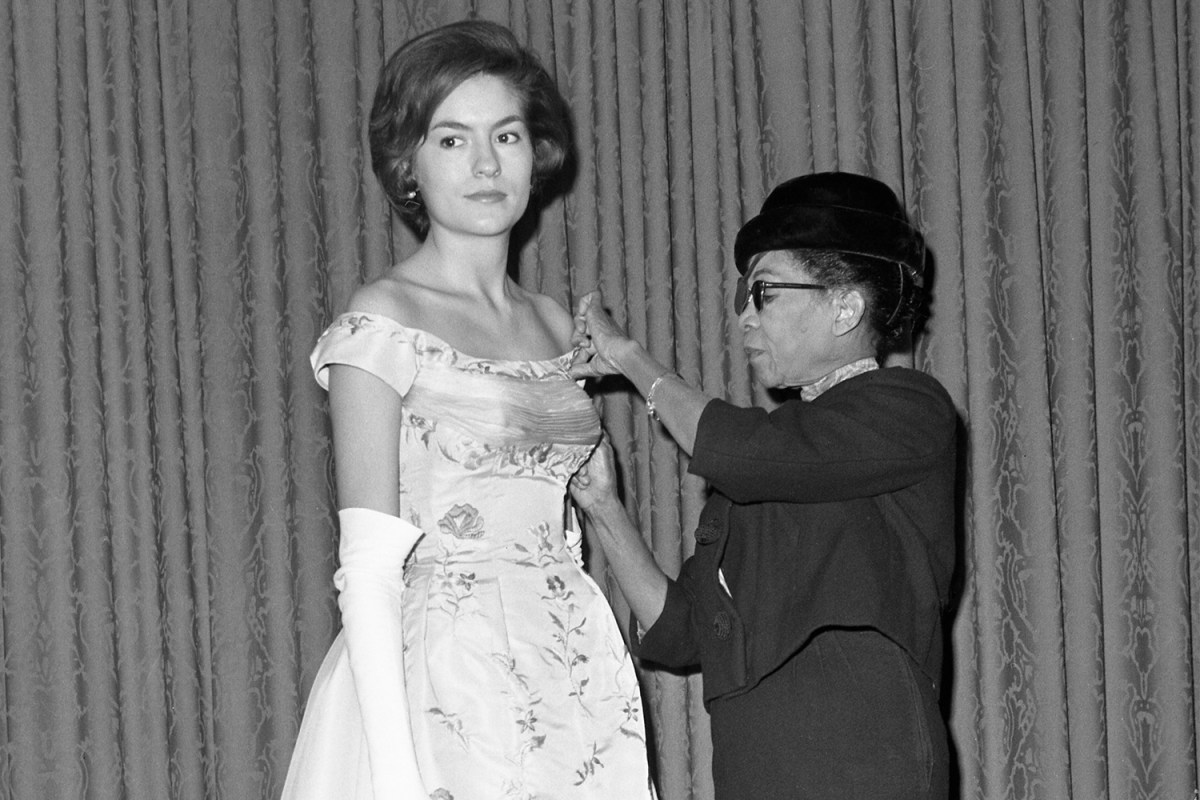
Photo: Bettmann Archive/Getty Images.
Ann Lowe was an American fashion designer best known for designing the ivory silk wedding dress worn by Jacqueline Bouvier when she married John F. Kennedy in 1953. Ann’s mother and grandmother were skilled dressmakers who sewed for wealthy families in Alabama. Her family taught her to sew when she was just five years old. As a child, she strengthened her skills by experimenting with patterns and fabrics. She learned to use her talents for a career, taking over her family’s business.
As a Black woman working in the mid-20th century, Lowe faced both racial and financial barriers while building her career. After a flood in her workroom damaged Jacqueline Bouvier’s wedding dress, Lowe worked tirelessly to remake it before the ceremony. The project, expected to bring in a $700 profit, instead resulted in a $2,000 loss for Lowe. Despite these challenges, she continued to design high-end couture gowns, often for wealthy white clients who did not publicly credit her work. In many cases, her work went uncredited, and she struggled to recover financially from major commissions.
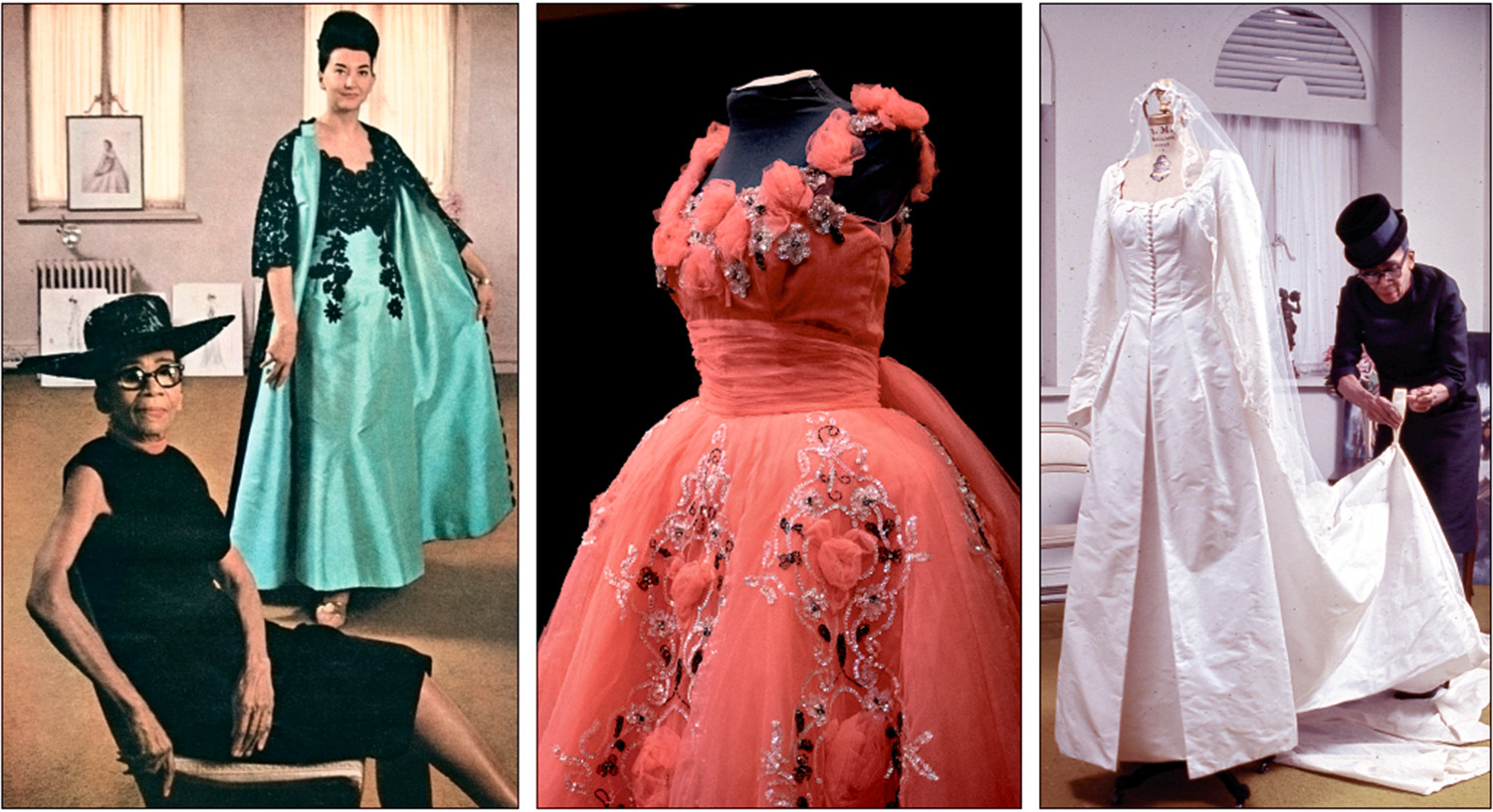
Despite these setbacks, Lowe continued designing couture gowns throughout her career. Her story reflects the persistence required of many Black designers working in segregated industries. Like many underrecognized designers of her time, Lowe’s legacy wasn’t just about the garments she created, but in the barriers she broke simply by continuing to create. Her story is a reminder that you shouldn’t let anything stop you from achieving your dreams.
You can find her work permanently archived at institutions like The Met and the National Museum of African American History and Culture.
Kitty Black Perkins
Commercial Design
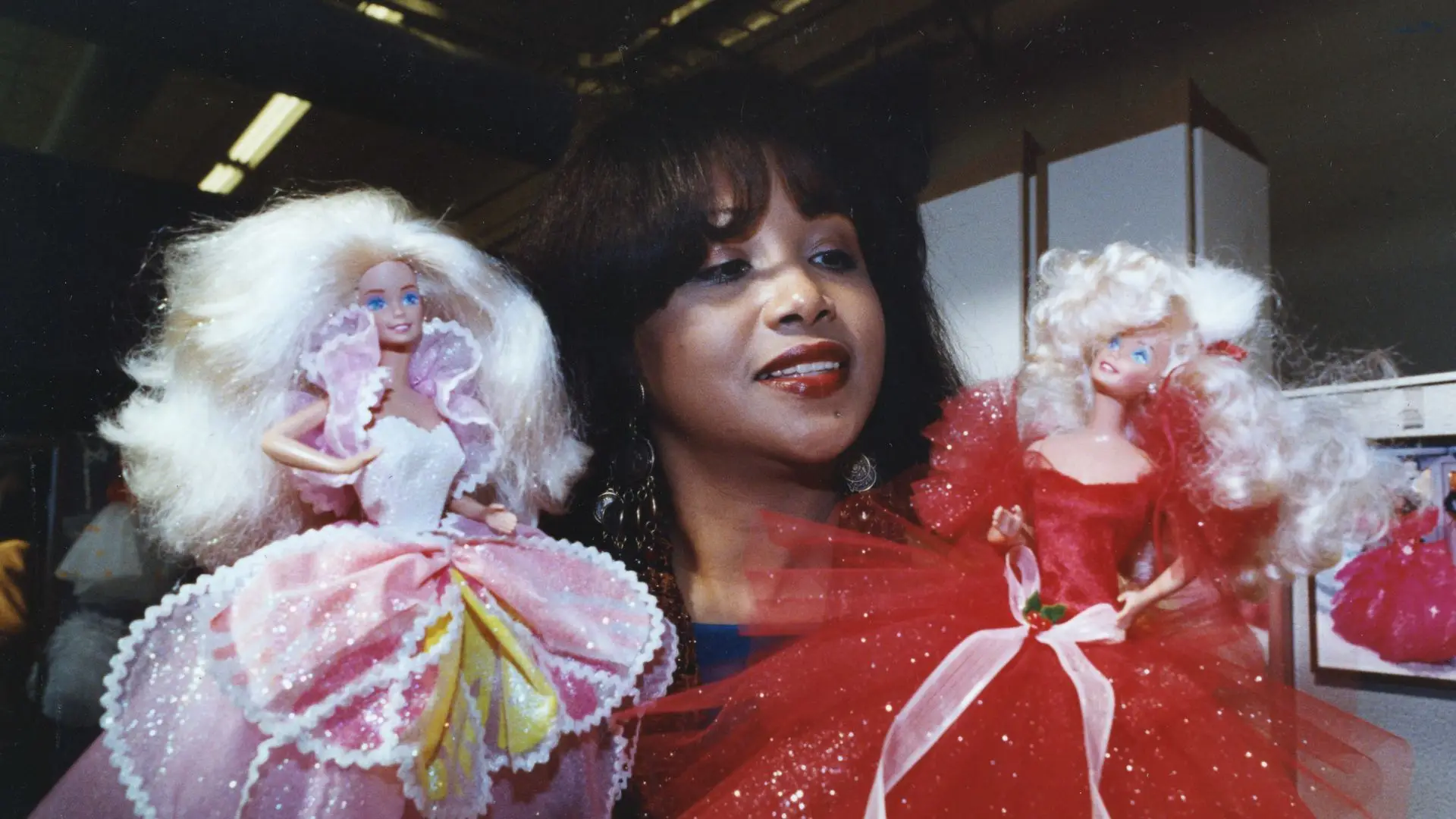
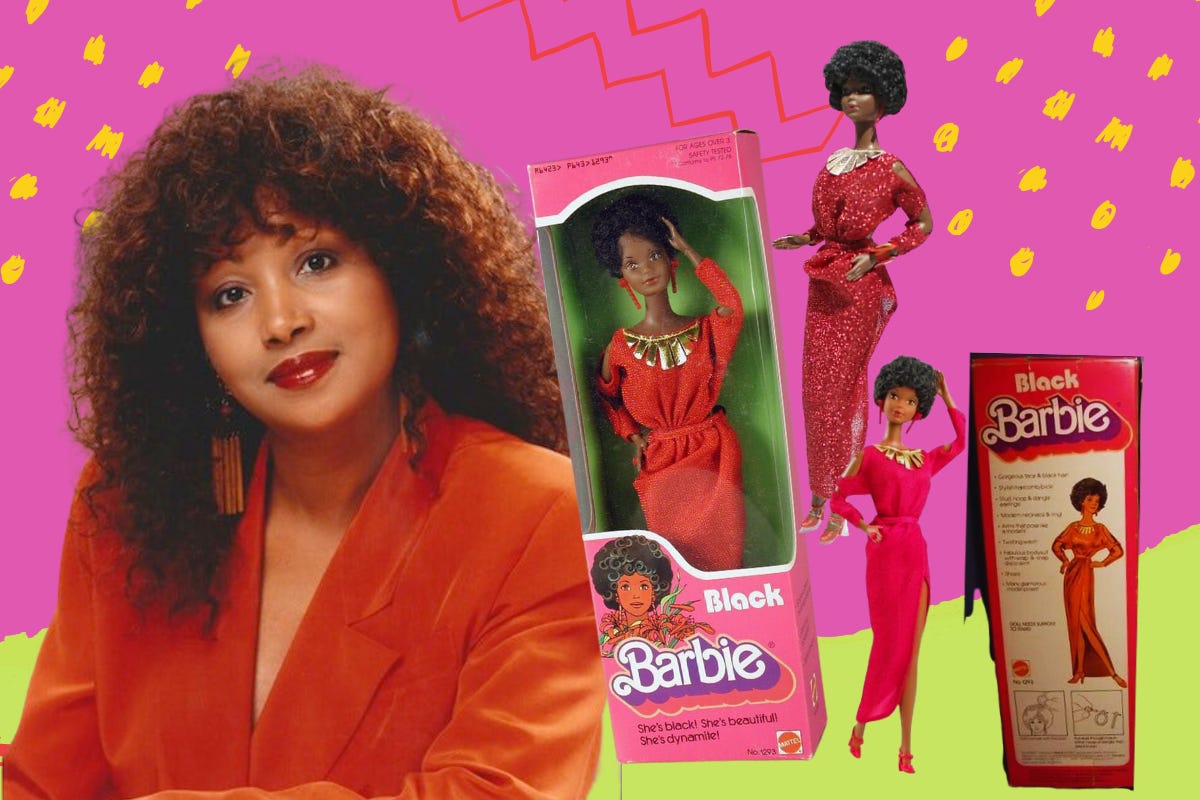
Kitty Black Perkins helped redefine representation for generations of young Black girls. As the first Black designer at Mattel, she stepped into a space where dolls dolls rarely reflected the appearance and experiences of Black children.
Before working at Mattel, Kitty already had experience in fashion, which helped her bring a different perspective to her designs. When she started working on Barbie in 1978, she didn’t just see it as a doll; it was something bigger. She wanted Black children to feel represented in the toys they played with.
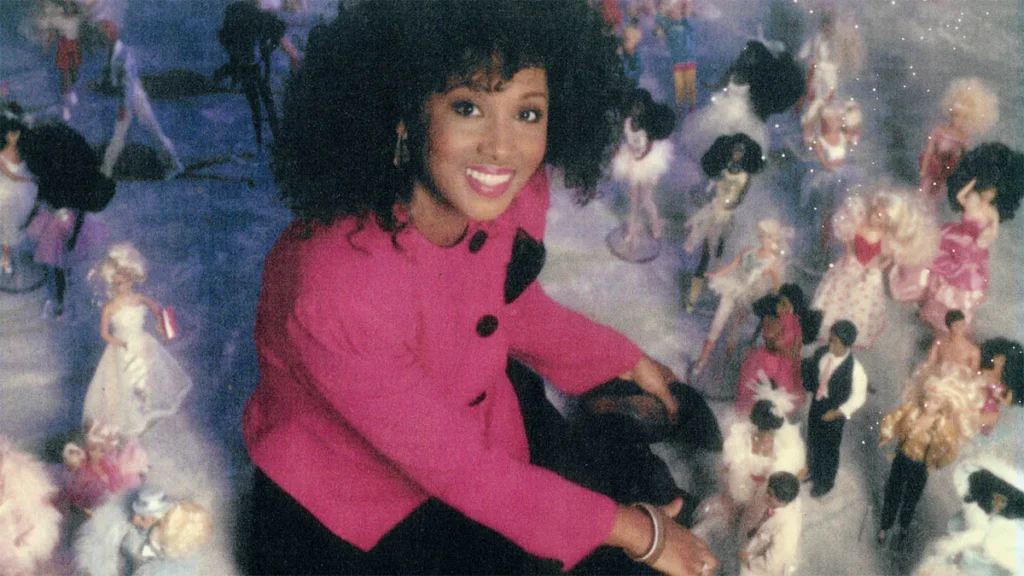
Photo: Spartanburg County Public Libraries’ Louvenia Kitty Black Perkins Archival Collection.
In 1980, she became the principal designer for Barbie at Mattel Toys. Instead of focusing on skin tone, she focused on details like hairstyles and clothing that the dolls could wear to reflect black beauty. Her work made Barbie dolls more reflective of Black beauty and culture.
Working within a company that had not always centered on diversity, Perkins quietly pushed for change. She pushed for greater diversity in doll design, including clothing, hairstyles, and skin tones. Designing the first black Barbie was a challenge, but through her work, she helped create a cultural shift in how Black children saw themselves represented in toys.
You can find her designs on just about every Black Barbie sold in retail stores.
Anifia Mvuemba
Innovation & Digital Fashion

Photo: Washington Business Journal
Anifa Mvuemba has become known for combining luxury fashion with inclusivity and innovation. Mvuemba is recognized for promoting body positivity and self-expression through her designs.
The Maryland native went on to grow her own brand, Hanifa, and largely taught herself design techniques through online resources. She immersed herself in sewing and design, eventually building a brand centered on inclusivity.
During the COVID-19 pandemic in 2020, fashion shows around the world were canceled. That also meant fashion shows were canceled, but that never stopped her from pushing through. She wanted to hold a digital fashion show, and Pink Label Congo was born. A 3D-fashion show that seemed so effortless. She told Elle magazine that she studied 3D design software while designing Hanifa’s core collection. The virtual presentation drew widespread attention for its innovative use of 3D fashion technology. She continues to inspire a new generation of designers to take risks, trust their vision, and create whatever they want to.
You can shop for her collection at Hanifa
Aurora James
Fashion Activism

Aurora James has become a major voice in both fashion and activism. Not only is she the creator of Brother Vellies, a Brooklyn-based luxury brand known for beautiful handbags and shoes. Aurora’s idea was “keeping traditional African design practices and techniques alive.” The brand creates luxury accessories inspired by traditional African craftsmanship and cultural history.
In 2020, her impact went beyond what she could design. James created the 15 percent pledge, a campaign that called on major retailers to dedicate 15% of their shelf space to Black-owned businesses. What began as a call to action quickly grew into a national movement, with companies like Sephora and Macy’s committing to the pledge
As a newcomer in business ownership, James understood that the issue wasn’t just about being seen on the cover of a magazine or running ads. It was about access and opportunity to purchase something that is fit just for you, from businesses that reflected and supported Black communities. She understands this work can open doors for many, and she wants to lead the way.

bags are displayed. Photo: Sephora newsroom.
These women represent far more than fashion. Their stories reflect creativity, resilience, and dedication to their craft. From Ann Lowe, who persevered despite financial hardship and limited recognition. To Ruth E. Carter, who brought culture to life on screen, demonstrating the importance of cultural representation in film.
From Kitty Black Perkins, transforming representation for every little Black girl who wants to see herself become a Barbie doll. To Aurora James, challenging the system when it comes to black businesses, and lastly, Anifa Mvuemba, showing us what the future of fashion can look like when we add technology to our benefit. Together, their stories show that influence and innovation often come long before recognition. It means making an impact across generations to come.