
Even though Black History Month is officially over, who’s to say we can’t still celebrate these music legends for their achievements? Oftentimes, we tend to leave Afro Latinos out of the picture. This is certainly still true within the music industry, where Afro Latinos make significant contributions but aren’t as widely acknowledged. When we don’t acknowledge Afro Latinos, but rather overlook them, we create a space where Afro Latinos doubt their existence and importance to the community they have uplifted and influenced.
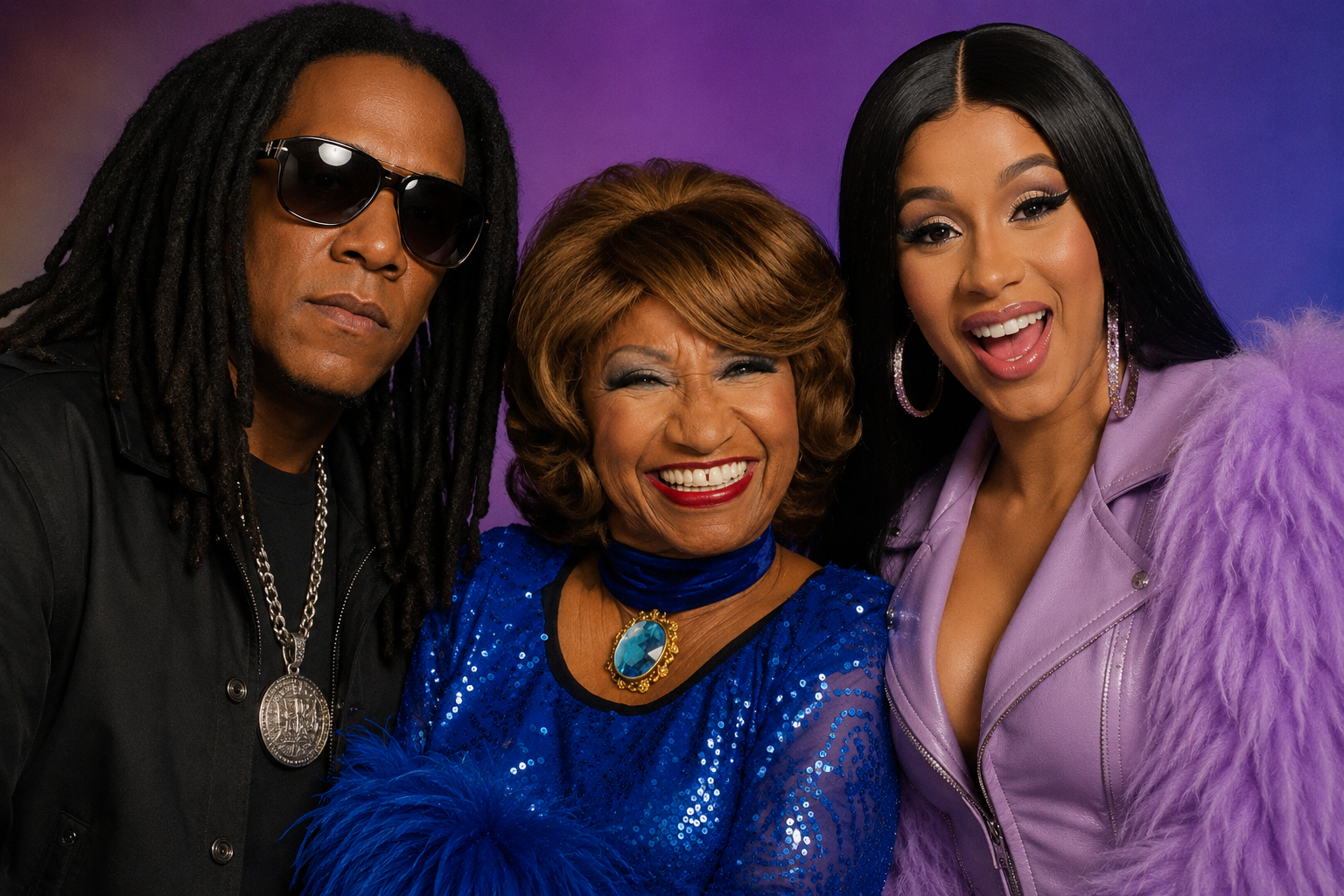
Afro-Latino artists have made major contributions to both Spanish- and English-language music. Celia Cruz brought Afro-Caribbean music to the United States. Cardi B broke into Hip-Hop, and Tego Calderón changed reggaeton forever. Each artist embraced their cultural identity while reshaping the sound of modern music. Throughout their work, they not only brought a bit of their culture to the world but also broke boundaries through their success.
Celia Cruz

Singer Celia Cruz fled Cuba for the United States in opposition to the Cuban regime. Her music drew heavily from Afro-Caribbean traditions and helped popularize salsa music internationally. Her visibility in the music industry inspired future Afro-Latino artists to embrace their identities openly. In the 2000s, Cruz received an award for best salsa performance at the very first Latin Grammys. The recognition marked a milestone in a career she had pursued since childhood.
Cruz later won three Grammy Awards, four Latin Grammys, and earned 23 gold records throughout her career.Despite her success, Cruz later faced a battle with brain cancer. She remained committed to continuing to perform for her fans. In an interview with AARP, Cruz said, “I’ve always thought that I will retire the day God takes away my abilities.” The quote reflected her determination to continue performing despite her illness.
Cardi B

Rapper and performer Cardi B was one of the first women of Dominican descent to have five singles in the top 10 simultaneously. She made history again in other ways shortly after. She continued breaking records throughout her career. The following year, she won an award for the best rap album for Invasion of Privacy during the 61st Grammy Awards. She was the first female solo artist to win this award. Cardi B helped expand opportunities for women in hip-hop, a genre historically dominated by men, that was not always welcoming to women of color. Cardi B took over the industry with her captivating beats and rap lyrics, which challenged gender norms.
Cardi B grew up in poverty and worked hard to stay afloat, even more so after being kicked out of the home she grew up in. She worked seven days a week at a strip club and came home to an abusive boyfriend. She was determined to change the direction of her life and career, becoming independent, including leaving her boyfriend behind. Independence may have been what she needed to succeed as her music took off early in her musical career. The release of Bodak Yellow in 2017 reached number one on Billboard’s Hot 100. In a video with W Magazine, Cardi B admits, “I was also scared, the song was so big I didn’t know if the next record could follow up.” She later credited strategic collaborations with helping sustain her momentum after the song’s success.
Tego Calderón

Tego Calderón is widely regarded as one of reggaeton’s pioneers. He was born and raised in Puerto Rico, where he grew up surrounded by diverse musical influences. His parents exposed him to salsa and jazz, and he later attended a music school. Using the skills he gained in music school, he began to create his own music. Calderon drew inspiration from multiple sources, including American hip hop and Jamaican dancehall. Over time, he began contributing his own music to the emerging reggaeton genre.
In the early days of reggaeton, it was considered underground and not as widely known or accepted as it is today. That context made Calderón’s debut album, El Abayarde, even more significant. It sold an unprecedented 50,000 copies in its year of release, 2002. Calderon not only takes pride in his work but also in his identity. In an interview with Enrique Rivera on NPR, Calderon admits that “my parents are people who are pro-black and also for the independence of Puerto Rico. I grew up in a household very different from others…” Colorism and anti-Blackness have historically existed throughout parts of Latin America, making Calderón’s public embrace of Afro-Latino identity especially significant.
These Afro-Latino artists made lasting contributions to the music industry through their culture, innovation, and influence, breaking barriers on music charts and within genres that often lacked Afro-Latino representation, and helped create opportunities for future generations of Afro-Latino musicians.