
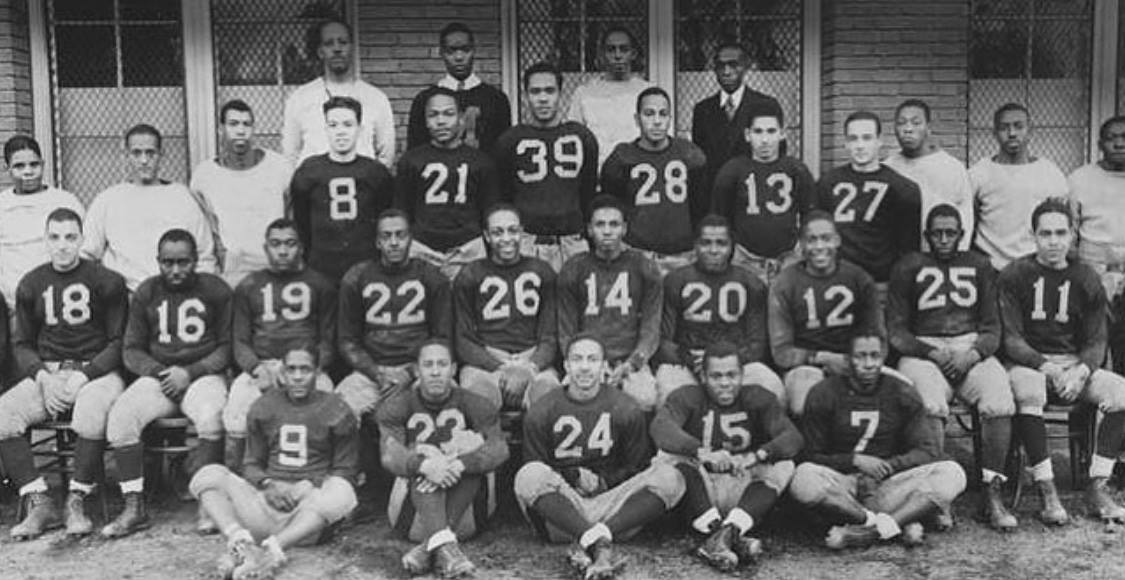

On a crisp fall afternoon at the newly renovated UDC Sports Complex, Barrington Scott stands at the edge of the turf field, hands in his pockets, staring out as if he can still see the old Firebird sideline. The stadium is quiet now, home to soccer and lacrosse, not the roaring football crowds Scott remembers from the 1980s. The former captain shakes his head slowly.
“It meant something to wear that uniform,” Scott says. “It meant something to this city.”
Nearly 35 years after its last snap, the University of the District of Columbia has no varsity football team. But a growing group of alumni, administrators, and students believes the Firebirds deserve a second chance—and that now may be the closest the university has come to a revival since the program shut down in 1990.
Bringing back football at D.C.’s only public university would be monumental financially, culturally, and institutionally. It would also mean confronting the complicated history of why it disappeared in the first place.
A Legacy Interrupted

UDC football wasn’t always a powerhouse, but it was a presence—an opportunity, a source of identity, and a recruiting pipeline for students across the city. The program struggled on the field, often facing larger and better-funded opponents. A winless 0–10 season in 1984 included lopsided losses of 69–8 and 55–6, according to archived The Washington Post reports.
But the on-field record wasn’t what brought the program down.
In 1990, the NCAA launched an investigation that uncovered what it called “major rule violations in 13 categories,” ranging from academic eligibility failures to improper recruiting practices. As a result, UDC suspended football for the 1990–91 season. The Board of Trustees voted unanimously not to reinstate it the following year. “UDC decides not to reinstate football for the 1991 season,” read the headline in The Washington Post that spring, marking the official end of varsity football at the school.
The shutdown came at a vulnerable time: the university itself was grappling with severe budget strain. In 1997, UDC cut its entire athletics department as part of major cost-saving measures, though several programs were later restored.
What never returned was the Firebirds football team.
Campus Transformation Creates New Possibilities
Fast-forward to 2025: UDC looks very different. The athletics department has stabilized, expanded, and modernized. The newly upgraded UDC Sports Complex—with turf fields, stadium seating, lighting, and improved locker rooms—represents one of the most significant athletic investments in decades.
For Pat Thomas, Associate Vice President of Athletics, the new facilities represent more than a cosmetic upgrade. They signal what UDC could become.
“We’ve rebuilt our department the right way,” Thomas says. “We’ve expanded sports, improved compliance systems, and created an environment where student-athletes can succeed academically and athletically. That’s the foundation you need before you even think about football.”
Thomas says conversations about football aren’t new—they resurface every few years. But now, he says, the university finally has the infrastructure and administrative systems to consider the possibility.
“We’re not there yet,” he cautions, “but we’re closer than we’ve ever been.”
Since football teams carry large rosters, adding 80 or more male athletes would require UDC to expand women’s sports to meet Title IX requirements. The proportion of male and female athletes must reflect the student body. “If you add 80 scholarship opportunities for men, you might need to add 80 for women,” Thomas says.
The greatest hurdle, however, remains financial. Restarting football requires a massive, long-term financial commitment. According to recent Division II athletics data, the median annual institutional subsidy required to run an athletics program with football is estimated to be over $6 million. These costs include coaching salaries, equipment, travel for 80 to 100 athletes, and scholarships.
Alumni Push: A Program Worth Fighting For
UDC alumni have been among the most vocal advocates for bringing the program back. Many see football as central to the university’s identity as an HBCU in the nation’s capital.
Joe Lang, a former UDC football player and long-time athletics supporter, says the absence of the sport leaves a gap in campus culture.
“Football brings people together in a way nothing else does,” he says. “It unites alumni, it energizes students, and it puts your name in the city’s conversation.”
Lang believes restarting the program would boost recruitment, strengthen alumni engagement, and give student-athletes in D.C. an opportunity they currently must leave the city to find.
“For a lot of kids growing up here, football is their pathway to college,” he says. “UDC should be part of that pathway.”
Scott agrees, saying a new generation deserves the same opportunity. The former captain says that a new generation deserves the same chance he had.
“Football gave us purpose,” Scott says. “It gave a lot of young Black men an opportunity to stay in school, get degrees, and represent the District.”