
Choosing what to wear is something everyone goes through, especially women. From first dates to everyday errands, clothing often reflects personality, comfort, and confidence, and, for some, a deeper expression of identity.

Photo: Amani Miller
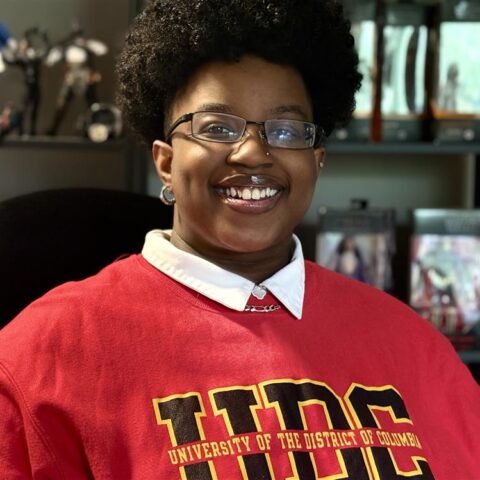
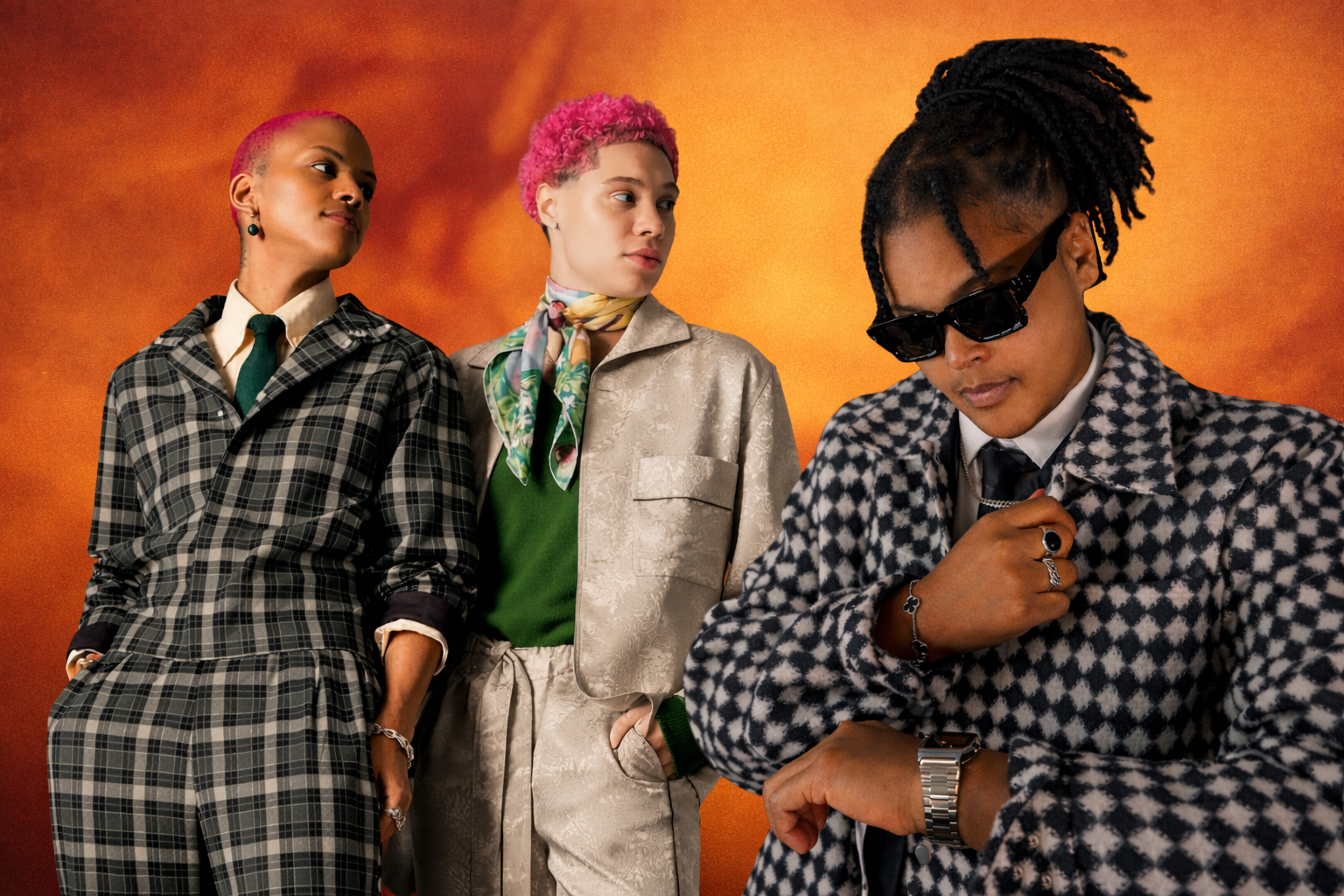
For Nesie, a masc fashion influencer from Houston, Texas, fashion became a way to better understand her identity within a small community. “Around 14 or 15 years old, I used to dress girly. I hated it,” Nesie said. “Then, going into high school, seeing other tomboy girls dress how I wanted to dress, that’s when I knew I could do it too.” Said Nesie. “So that definitely helped shape my comfort level with being more masculine,” she added with a laugh. The fashion industry has increasingly embraced LGBTQ+ representation. The industry now features more gender-fluid models and designers, although masc fashion still receives limited visibility within mainstream fashion spaces. That lack of visibility can leave many masculine-presenting women feeling overlooked.
Masc fashion, short for masculine fashion, often refers to a style of dress that embraces traditionally masculine clothing and aesthetic, regardless of gender. Masc fashion is often associated with androgynous fashion, which blends masculine and feminine elements. Overall, both styles have become a significant form of self-identity within the queer community.
“I almost hated going to church because you know, the church shoes and dresses, the South doesn’t play when it comes to how you present yourself at church. I didn’t want to give people the wrong idea of my sexuality,” said Nesie. “Feeling judged by my grandparents as well was something that I had to overcome.” For many queer people, family expectations and social pressure can shape how they present themselves. Representation and community support can play an important role in building confidence and self-acceptance. “My mom didn’t care too much about what I wore, but to protect her and the backlash she was getting from her parents, I just wore what they told me. I wanted to protect my mother.”
“My mom didn’t care too much about what I wore, but to protect her and the backlash she was getting from her parents, I just wore what they told me. I wanted to protect my mother.” Those experiences continue to shape Nesie’s relationship with fashion and identity. You don’t think about clothes being a shield to protect yourself, but in the queer community, for some people, clothing can function as both protection and self-expression. Once you finally have an idea of who you are at your core, personal style often follows naturally. “It took some time; it was all new to me dressing like this, but I wouldn’t change who I am for anyone,” Nesie said proudly with her head held high.
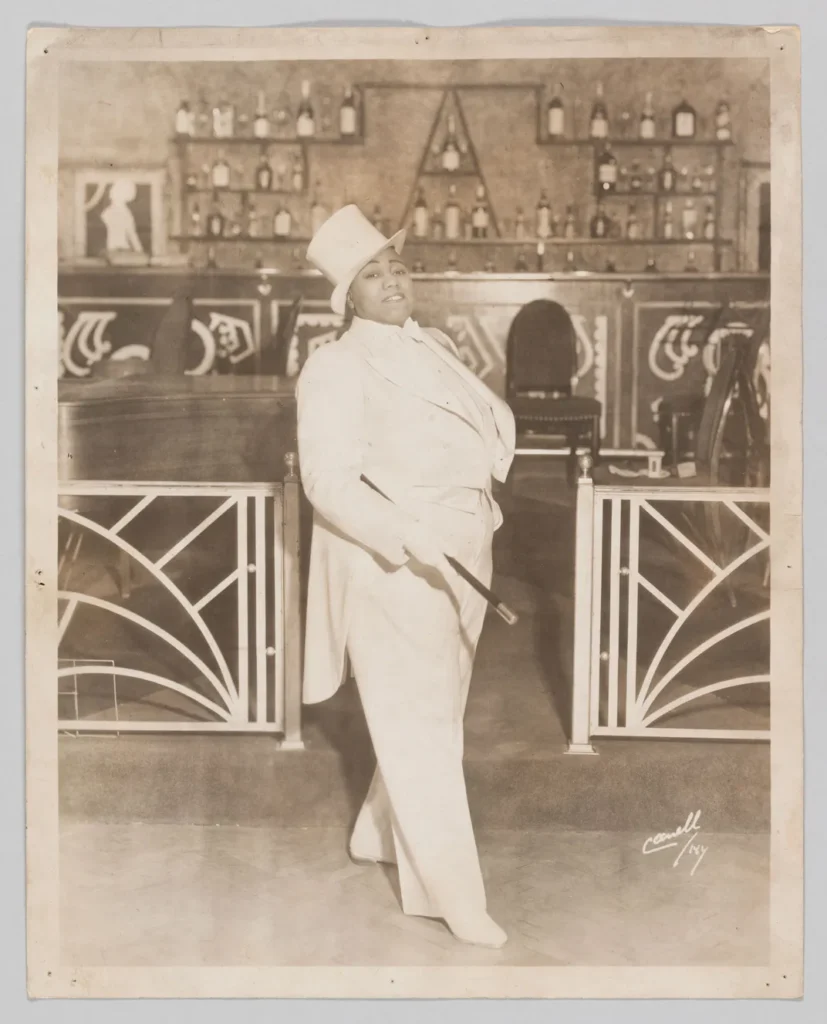
Masculine fashion among women is far from new. During the 1920s, more women entered the workforce during World War I, helping normalize less traditionally feminine clothing styles. Queer icon Gladys Bentley was a figure in the Harlem Renaissance, dressed in fabulous suits and known for her smooth voice and piano playing. Later, in the 1930s, a timeless actress, Marlene Dietrich, famously wore a man’s tuxedo, top hat, and white bow tie in the film Morocco. This film was groundbreaking at the time, blurring the lines between gender-bending fashion and sparking broader conversations in the fashion industry.
Nesie wants to set the tone and make her mark on what masc fashion is through her content. “I think we still have a way to go in society, but we are making progress because now you have men dressing more like us. Can you believe it?” Nesie laughed while referencing a recent TikTok debate about cisgender men embracing androgynous fashion.
“I’m not saying men don’t know how to dress, but I love seeing a cisgender man who is confident in himself, and that’s what we need more of.” Nesie argued that some people approach masc fashion as a trend rather than a form of self-expression and identity.

Photo by: Amani Miller
“Being a content creator is somewhat of a responsibility. I want to make sure when you see my content, you feel seen, and you too can dress like me,” said Nesie. Nesie said fashion should feel fun and empowering. When you put that button up on or add an accessory, it’s a feeling you get, “That’s all me right there!” she shouted with excitement.
As this fashion genre grows, we are seeing so many more examples of masc and androgynous fashion in the media.
“It makes me proud and gives me inspiration and a sense of not feeling like I’m the only one,” Nesie said. Several queer women and masc influencers have gained national visibility in sports, entertainment, and social media. “Women like me are killing it, I love to see it!”
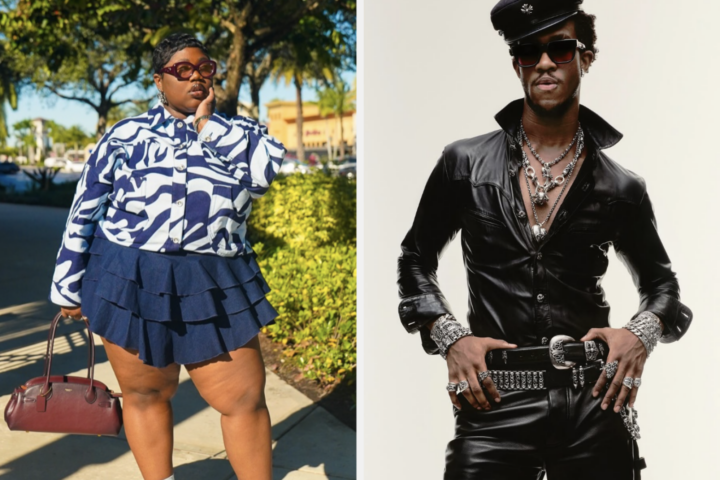
She’s right, there are many women excelling now. Several queer women are gaining visibility and being recognized nationwide. For example, Neace Robinson, known as “Funeral Stud” on social media, transitioned from an online joke to being featured on platforms like Planet Fitness’s New Year’s Eve countdown and releasing the Super Bowl logo for Super Bowl LXI. In sports, WNBA athletes like Natisha Hiedeman and Courtney Williams are also making strides as a dynamic duo known as “StudBudz,” showing that fun, creativity, and being yourself are the ultimate goals.

“Women are so powerful that we have the best of both worlds, with that soft, feminine touch or going edgy all the way, depending on how we want to feel.” One example is Jonquel Jones, who attended the 2025 Met Gala in a Sergio Hudson suit that blended masculine tailoring with high fashion. The attention to detail and the determined persona were the statement pieces, and she held her head high, proving she belonged in that room just like anyone else.

“You don’t have to be queer to understand fashion, it’s genderless, wear what you want to wear.” Nesie said she hopes her platform encourages others to explore fashion comfortably and safely. Protecting and giving guidance is her natural instinct at her core. Mixing fashion with comfort and helping others find their self-identity. “It is okay to be scared, it’s okay to have those feelings of self-doubt, but it’s not okay to put yourself in a shell you’re not comfortable with. It’s like trying to put a turtle in a snail shell; it just doesn’t fit. Also, do what is safe for you.”
For many masc-presenting women, fashion is less about gender imitation and more about comfort, identity, and confidence. Several brands now spotlight masc and gender-inclusive fashion, including Kirrin Finch, Style Is Freedom, For Them, and Ash&Cour. As these brands continue to spotlight masc and gender-inclusive fashion, representation is becoming more visible and more accessible. What was once questioned or misunderstood is now stepping confidently into the mainstream.