

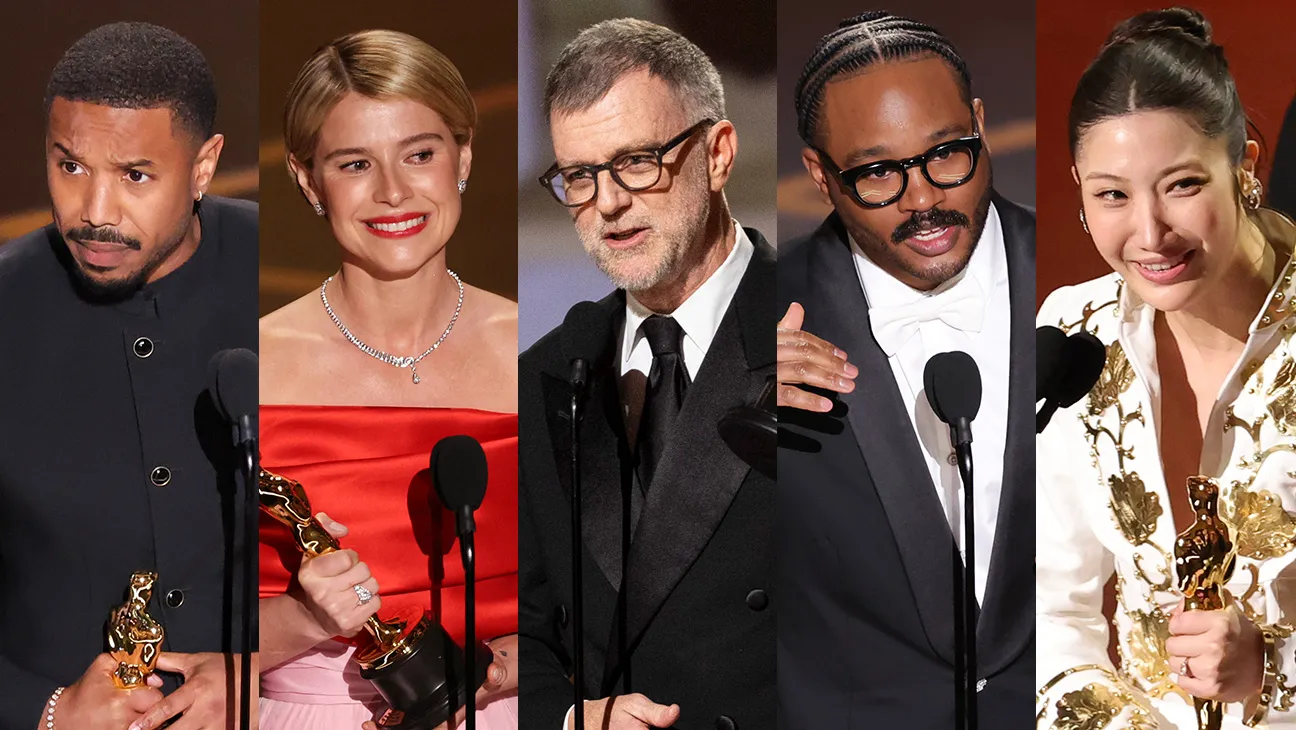
It’s 8 p.m. on a Sunday. Social media posts and chats are blowing up with predictions. Celebrities are stunning on the red carpet, millions of people tuning in on one night, waiting to see who takes home the biggest prize. The Oscars have recently sparked lots of excitement, disappointment, and surprise reactions. All inside the Dolby Theater in Hollywood, where one little envelope can change everything. The Oscars aren’t just about awards anymore; it’s about the moments – the wins, the losses, and the snubs that define and make cultural iconic moments. But it also led to talks and discussions until the next awards.
The Academy Awards are one of the most-watched shows in real time. The American telecast drew an average of 17.86 million viewers, up from the previous year’s awards, and garnered a 3.92 demo rating among adults aged 18-49. At the same time, the social media presence/engagement surrounding the ceremony helped set records, with many posts on Instagram, X, and TikTok reacting to the wins, losses, and surprises throughout the night. From major wins to controversial outcomes and conversations, this year’s Oscars portrayed what audiences actually care about: storytelling, representation that matters, and films that leave an impact.
The Wins That Defined The Night
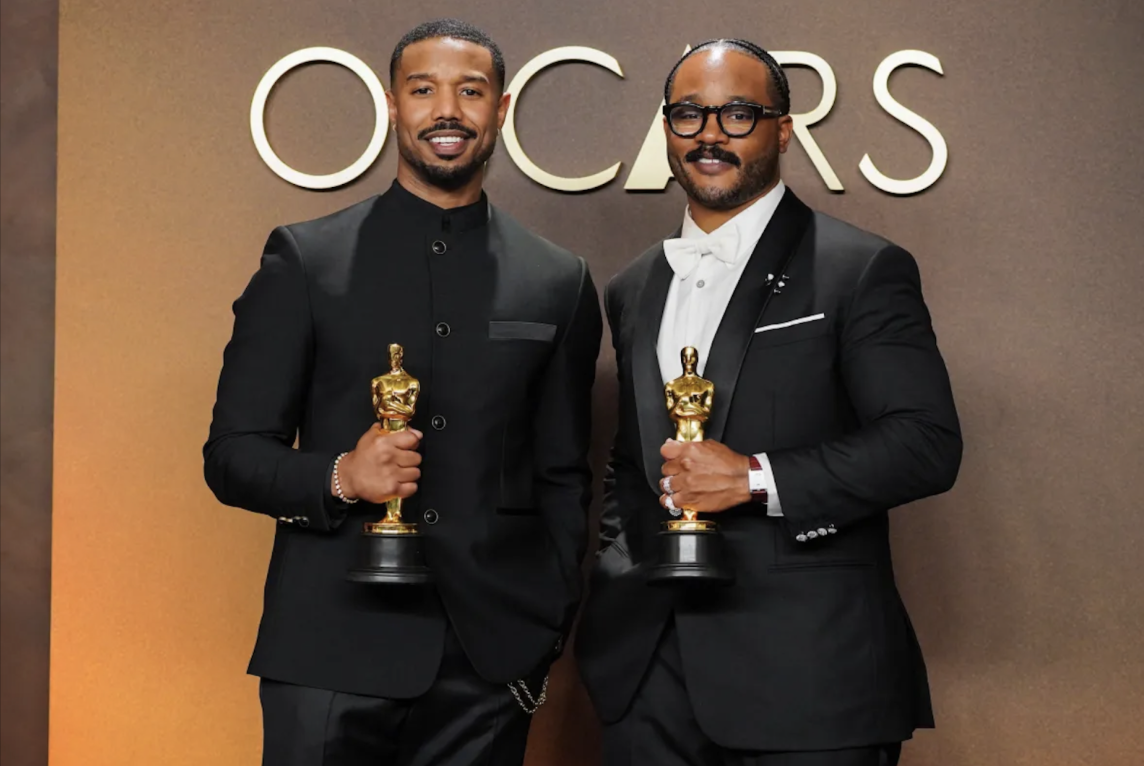
One of the most deserved and most talked about moments of the night came from Michael B Jordan and Ryan Coogler winning big in their own categories, whose work on Sinners earned major praise and awards that made their place, and more so, solidified their position among their Hollywood peers.
Michael B. Jordan won the award for Best Performance by an Actor in a Leading Role. The most stacked category I have seen in a while, competing with Timothée Chalamet, Leonardo DiCaprio, Ethan Hawke, and Wagner Moura. But Michael B. Jordan made it out on top. This award made a well-deserved moment in his career. He definitely deserved this award, given all his previous work with Black Panther and Creed, as well as his earlier movies like Fruitvale Station, and he should have been nominated for those roles before. I’m glad he has now won for his portrayal of Smoke and Stack in Sinners. And for a lot of viewers, including me, it felt as if Jordan’s win was long overdue, with social media videos reacting to his win, celebrating loudly and excitedly as he went to retrieve his awards.
Another big win of the night was Ryan Coogler’s win in the Best Original Screenplay category. This shows his hard work in writing Sinners, making it a milestone achievement, portraying him as one of the most important filmmakers of this generation, and how special and cultural his work on this movie was. Over the years, Coogler has built a reputation for his writing, telling stories that center community and history and identity, and creating characters with depth, not just one dimension.
Lastly, Jessie Buckley won the Best Actress award for her role in Hamnet. Her delivery in this role just showed her emotional depth and versatility as an actress, and why she deserved this award. Her performance resonated with critics and the audience, and her ability to conquer these complex characters has made her one of the most compelling and intriguing actresses of her generation, and winning this category has just formed her place in the industry.
The Losses That Shocked Everyone

The biggest loss for me that night was the award for Best Performance by an Actor in a Supporting Role, which was given to Sean Penn for One Battle After Another, but in my opinion, should have gone to Delroy Lindo for Sinners.
Another loss was the Best Picture award, which went to One Battle After Another. Sinners should have won instead; it was a far better movie than OBAA, due to the writing, scenes, cinematography, costumes, and plot.
For the Best Performance by an Actress in a Supporting Role category, it was won by Amy Madigan for Weapons. But instead, Wunmi Mosaku should’ve won for her portrayal as Annie in Sinners. And the way she and Michael B. Jordan bounced off each other in their acting and in the portrayal of their relationship, I just found it wonderful.
The Snubs That Were Missed
There is a history of snubs at the Oscars. One of the snubs is horror, not mentioned at all. Well, while Weapons is considered a horror film, it wasn’t nominated for Best Picture. The only mention of Weapons within the whole award show was when actress Amy Madigan won for Best Performance by an Actress in a Supporting Role for her role as Aunt Gladys in Weapons. But besides that, the horror genre is never recognized by the academy as a whole and is snubbed. Even though I’m a scardy cat and can’t watch horror movies often, there are some horror movies I consider masterpieces and should have been recognized for their work. And the people who work behind the scenes.
Another snub was the actors who weren’t nominated at all for their work. One person who should have been nominated was Jack O’Connell for his role as Remmick in Sinners. Between his acting skills and his portrayal and transformation into a vampire, he should have been nominated for Best Performance by an Actor in a Supporting Role among his peers.
The Controversy Behind One Battle After Another
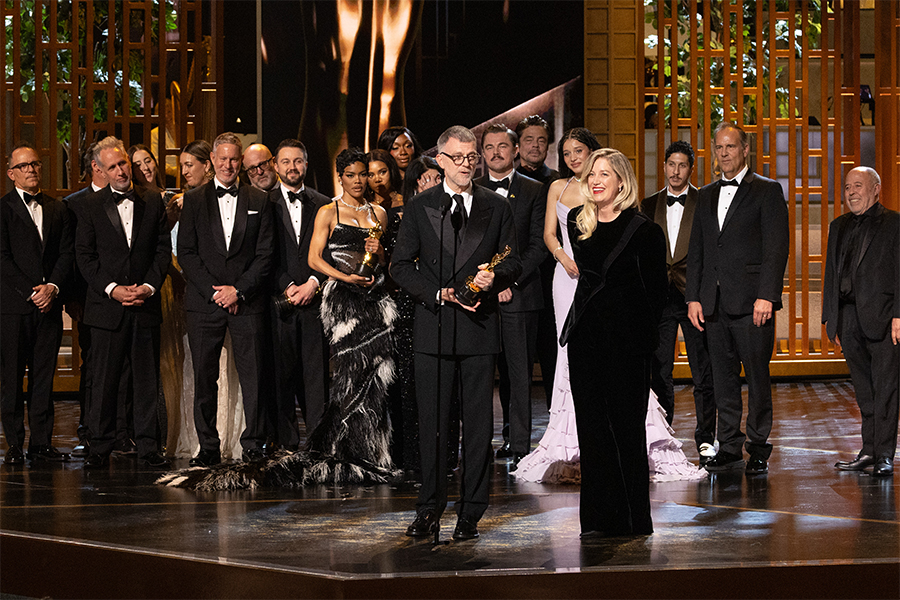
There is a lot of controversy surrounding the movie One Battle After Another, and one reason it won Best Picture over movies like Sinners. A lot of people were wondering why a movie about a white savior saving his mixed child, well, more so a movie about white supremacy, won over a movie that is culturally significant and historically rooted. Some people say that the themes from both movies have divided voters, while One Battle After Another‘s traditional narrative might have a more “safer bet and Best Picture material.
I’m bashing the movie by any means, I just disagree with their win, and why it won over Sinners. And how the Academy likes to view and or decide what constitutes the “best” film of the year. Because the people who vote on these films (allegedly) don’t watch the nominated movies.
Why Does It Matter?

The Oscars continue to matter because they do more than recognizing and celebrating film – they shape the future of the industry. Every win and loss defines what stories matter in Hollywood, what people actually care about. When people like Michael B. Jordan and Ryan Coogler see that Hollywood cares about diversity and inclusivity, and that we are going in the right direction. But when films like Sinners lose in their major categories, it raises questions about how these stories are being judged.
But at the same time, millions of people are tuning in to these award shows to see the films they care deeply about. Nevertheless, people are invested and care. The Oscars remain one of the few cultural moments where people can come together to celebrate their love of movies. But also debate and critique storytelling.
In 2026, the Oscars showed that Hollywood is evolving, with more representation coming out, and new actors and actresses are on the rise. It’s just about who wins the trophy. It’s about the choices within the film/movie culture and which stories are being recognized.